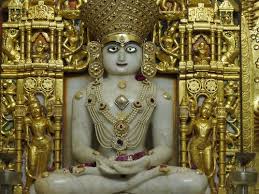
The Seventh Light Among Twenty-Four
Suparshvanatha — also revered as Suparshvanath and Suparshva — is the Seventh Jain Tirthankara of the present descending half-cycle of time, the Avasarpini. In the tradition of Jainism, a Tirthankara is a ford-maker — a soul who, through perfected austerity and infinite knowledge, builds the bridge by which others may cross the ocean of worldly existence and reach the further shore of liberation.
His coming was foretold by the dreams of his mother, Queen Prithvi — radiant signs from the heavens, pure as moonlight, marking the descent of an extraordinary soul. He was born into the noble Ikshvaku clan, an ancient solar dynasty revered across Indic memory for its lineage of righteous kings and sages.
In the Sacred City of Varanasi
Varanasi — the eternal city seated on the banks of the Ganges — became the cradle of his earthly form. To this day the city remembers him through ancient shrines and the quiet devotion of those who walk its ghats. His birth, marked on the twelfth day of the bright half of Jyeshtha, is observed in Jain tradition as a day of celestial joy.
Reverence in the Jain Tradition
Across the centuries, Suparshvanatha Bhagwan has been honoured in countless temples — his image serene, his palms folded in eternal stillness, often crowned by a canopy of seven serpent hoods, a vivid emblem of awakened consciousness and benevolent protection. His iconography, his teachings, and the sacred sites associated with him form a continuum of spiritual heritage that links past devotees to present seekers.
Continue to His Journey →